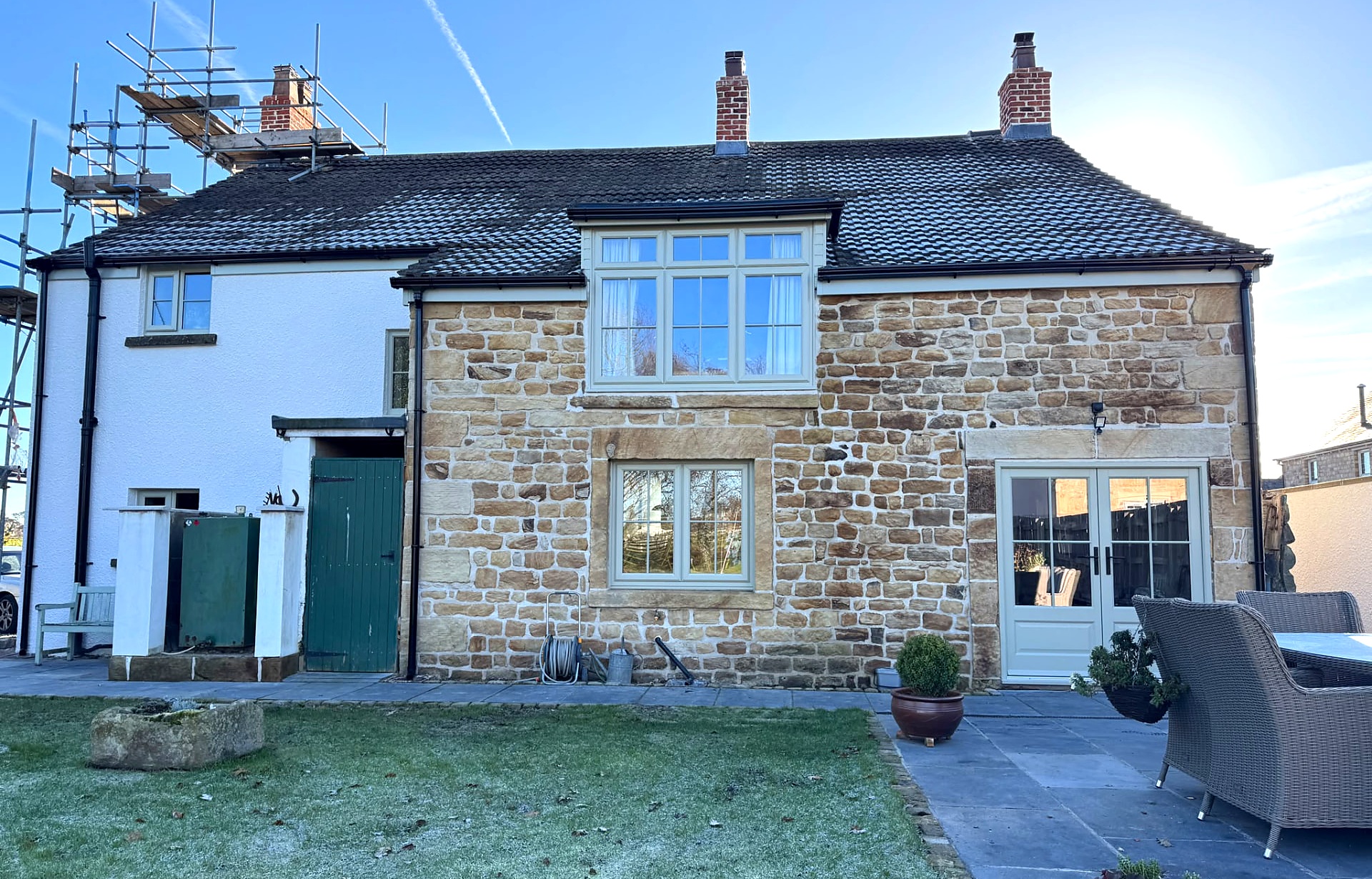
Stone cottage with exposed masonry, mortar joints and a garden patio

Rhodes · Preston & Lancashire

Heritage Lime Mortar Pointing

Traditional lime mortar repointing for period homes, stone cottages and historic brickwork in Preston and Lancashire. Protect your property’s character with a mortar suited to its masonry, construction and exposure.

WhatsApp UsOffice · 01772 439005
Stonework & mortar detail

Why lime pointing matters

Your brickwork.
The right attention.

Correctly specified lime mortar allows traditional masonry to release moisture and accommodate small movements. Repointing replaces deteriorated joints with compatible material — protecting the surrounding brick or stone, not just improving its appearance.

  • Start with your property

    The type of masonry and the condition of the joints help determine what work is appropriate.

  • Consider the existing mortar

    The mortar choice and preparation need to suit the wall, rather than treating every property the same.

  • Discuss the full picture

    Share the affected areas and access details so the site surveyor can discuss your project before a quote is confirmed.

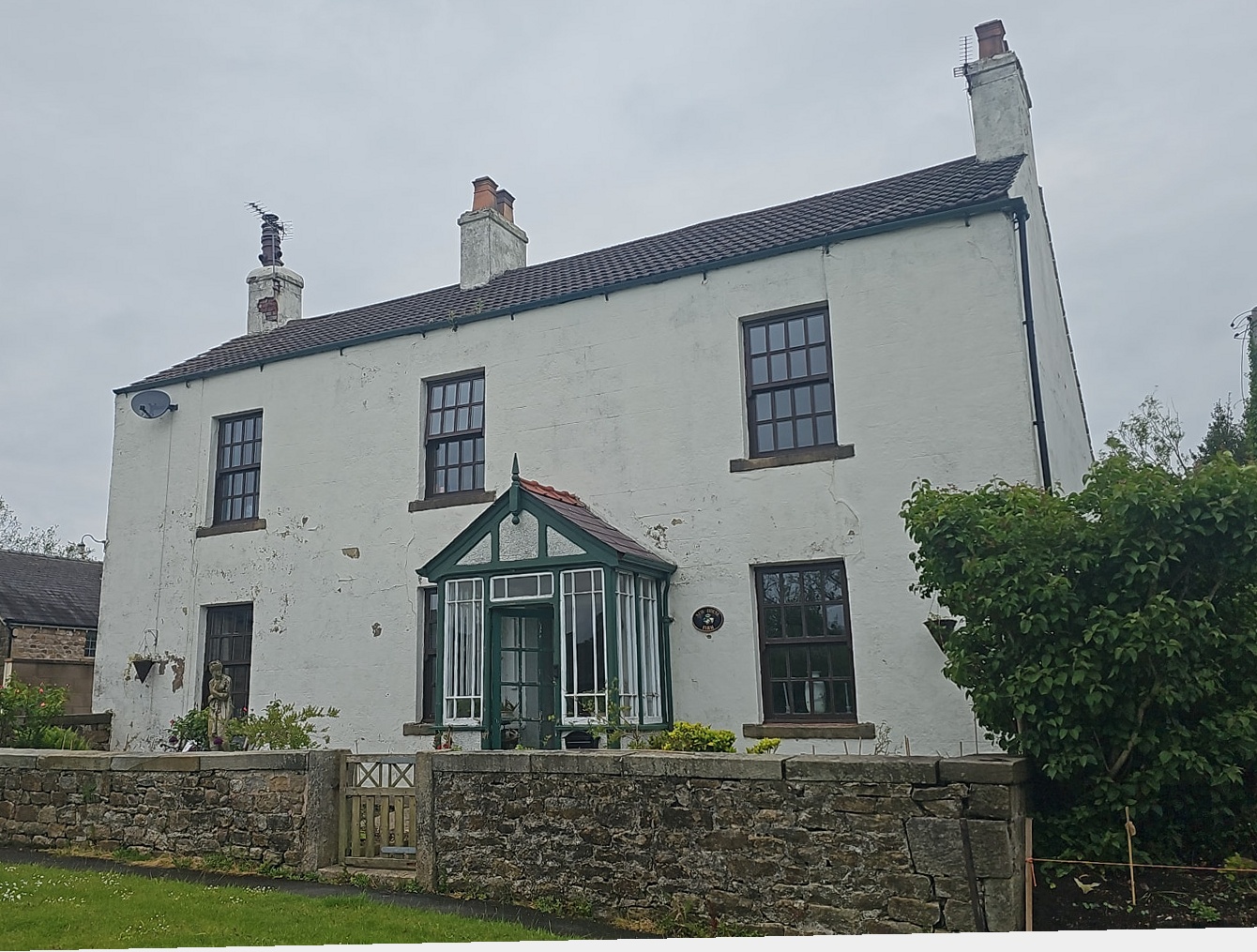
Rhodes project with old render removed and the brickwork repointed – after the workRhodes project with old render removed and the brickwork repointed – before the workBeforeAfter
Render removed & brickwork repointed — a genuine Rhodes project
Get a pointing quote

Traditional buildings

Why lime mortar
repointing matters.

Traditional solid-wall buildings manage moisture differently from modern construction. Compatible mortar supports drying and helps avoid unnecessary damage to softer brick and stone.

Damage from unsuitable sand-and-cement pointing

On traditional walls built with lime mortar, a sand-and-cement mix that is too hard or dense can restrict drying through the joints. Moisture and frost can then contribute to flaking brick faces, crumbling stone and cracks around the joints. Sand-and-cement mortar can suit some modern masonry; the site surveyor should assess compatibility and the cause of any damage before recommending repairs.

Lime mortar for traditional stone masonry

Lime mortar is essential for historic building restoration as it allows natural stone walls to breathe and flex slightly with seasonal changes, which helps protect the long-term condition of traditional stone properties. For lime mortar re-pointing, we use the appropriate lime mortars, including traditional air limes and NHL, where suitable for the building and exposure conditions.

Lime mortar for historic brickwork

Traditional lime mortar is softer than historic brick, making it ideal for historic building restoration. This allows moisture to escape through the joints instead of the masonry itself, which is crucial for effective lime mortar re-pointing and helps prevent long-term brick deterioration.

Lime pointing & your property

Which properties need
lime mortar pointing?

Lime is particularly suitable for traditional buildings originally constructed with lime-based mortar, often dating from before approximately 1919. The existing mortar, brick or stone hardness, wall construction and exposure should determine the specification — not the building’s age alone.

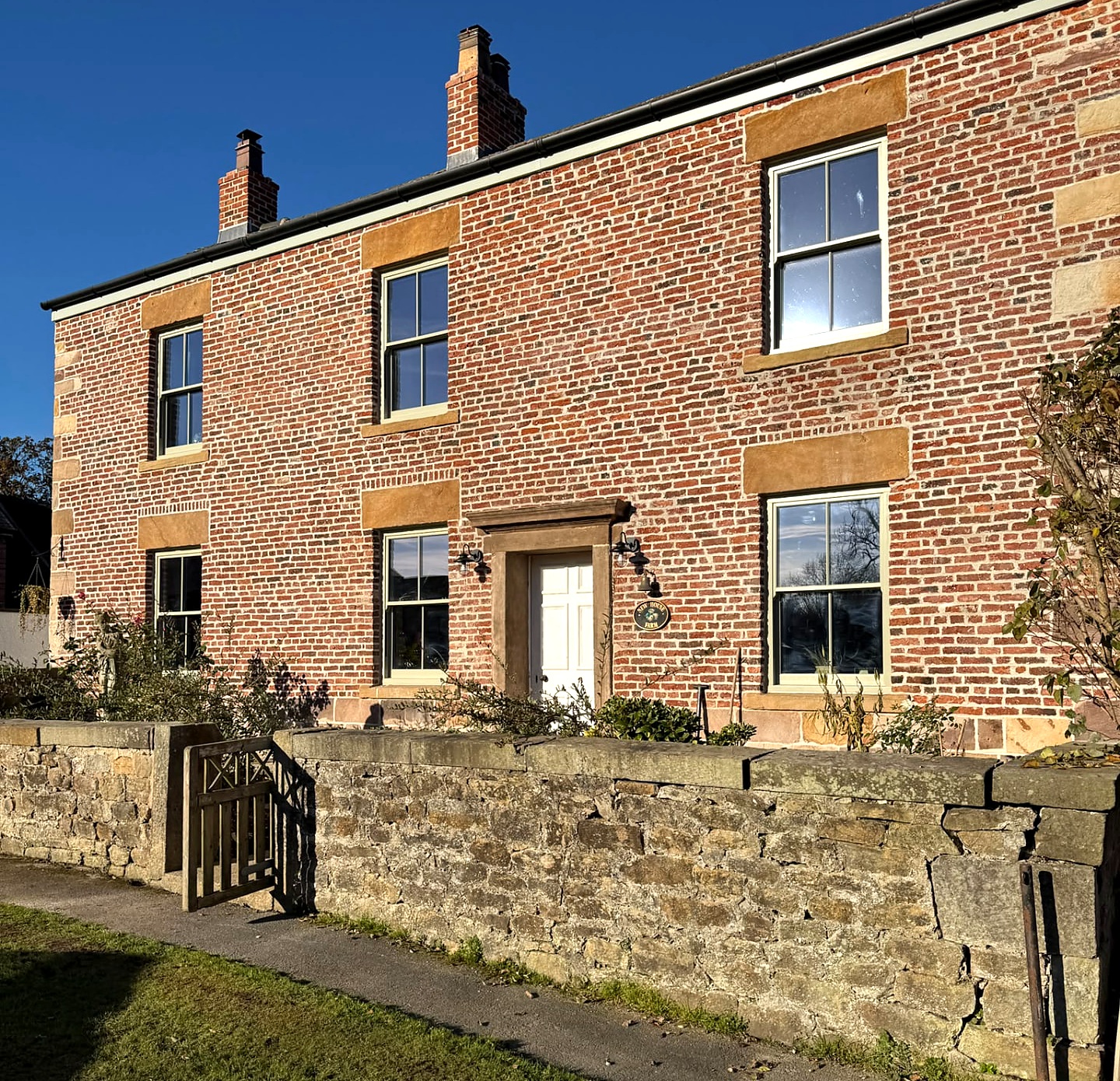
Red brick property with traditional stone surrounds

Victorian, Edwardian & Georgian homes

Many period homes have solid brick walls originally built with lime mortar. A compatible replacement helps protect original brickwork and supports natural drying; age alone does not determine the mortar.

Stone cottage showing masonry and mortar around the windows

Stone cottages & farmhouses

Traditional sandstone, limestone and rubble-stone masonry often benefits from lime mortar selected for the stone’s strength, porosity and exposure.

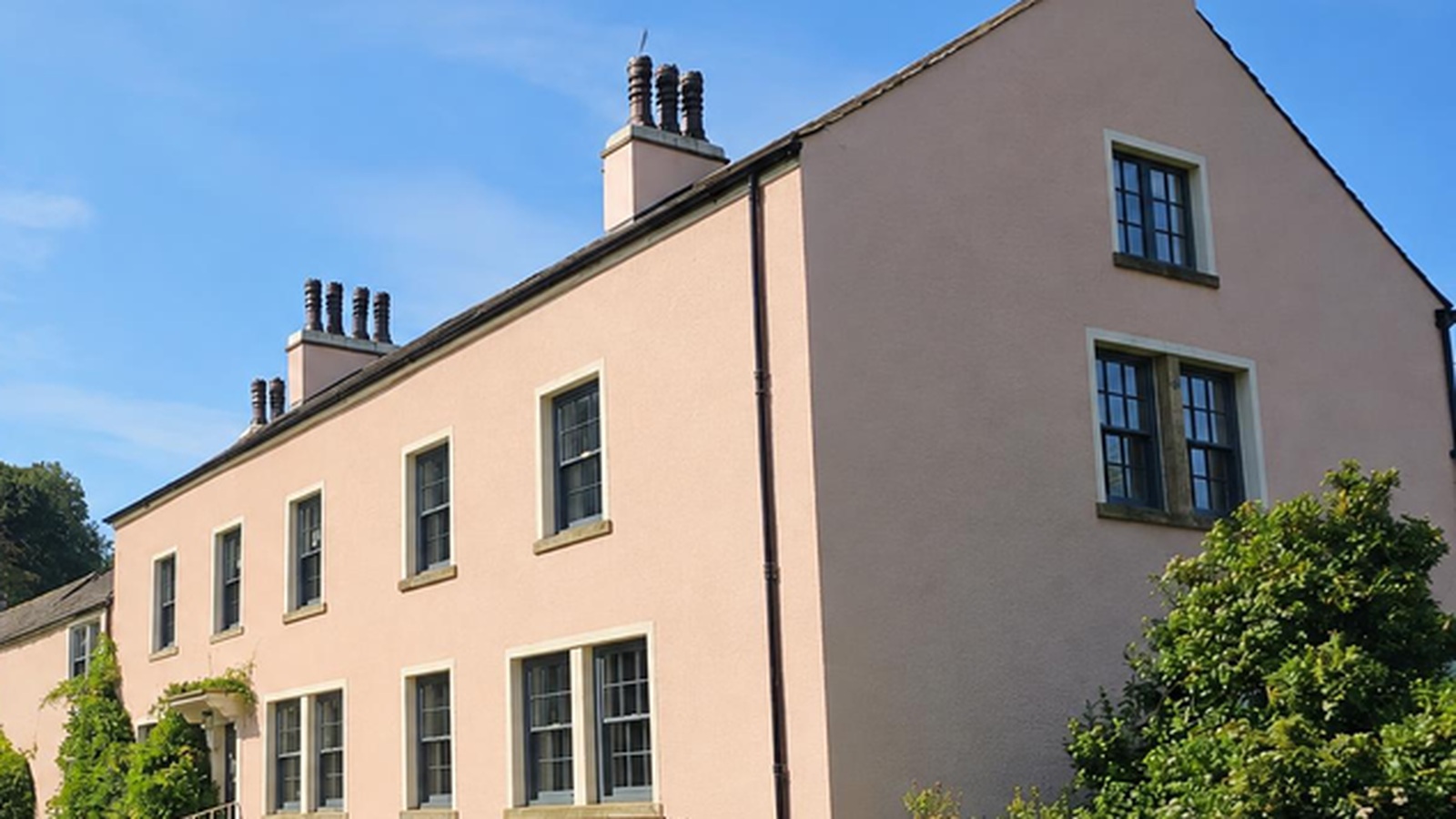
A large period country house with a traditional rendered finish and sash windows

Listed & historic buildings

Conservation-sensitive repairs should respect the original mortar, joint profile, colour and texture. Check heritage status and any consent requirements before work begins.

A traditional cottage with a fresh white heritage finish

Churches, barns & heritage structures

Historic masonry needs sympathetic repair methods. The existing material and condition should guide preparation and mortar selection, rather than using a standard mix for every wall.

Heritage & conservation

Is lime pointing a legal requirement?

Lime pointing is not automatically compulsory for every older property. It may be required by a conservation specification, an approved repair scheme or conditions relating to a heritage building.

Repointing a listed building can require Listed Building Consent where it affects the building’s special historic or architectural interest. Establish whether consent is needed before starting, including for proposed like-for-like repairs. Conservation-area controls depend on the property and local restrictions.

Check the property’s heritage status and requirements with the local planning authority. Historic England’s listed-building guidance provides further background.

The right material

Lime or cement pointing?

Modern cavity-wall houses and engineering-brick buildings do not normally need lime simply because their pointing needs repair. Cement-based mortar may be appropriate where compatible with the original construction and masonry.

For traditional lime-built walls, a hard cement mix is not an interchangeable substitute. Lime putty or natural hydraulic lime may be suitable, but the mix must reflect the masonry, exposure and repair requirements.

Discuss cement pointing, existing cement removal or heritage lime repointing with the site surveyor before choosing a specification.
How it works

Our lime pointing
repair process.

A property-specific approach, agreed with the site surveyor before work begins.

  1. Property & mortar assessment

    The site surveyor considers the masonry, existing mortar, wall construction and exposure.

  2. Careful preparation

    Agree how defective pointing can be removed while minimising damage to the surrounding brick or stone.

  3. Compatible mortar selection

    Discuss lime putty or natural hydraulic lime where suitable, and the joint profile, colour and texture.

  4. Lime mortar repointing

    Repoint the prepared joints using methods suited to the masonry and agreed repair specification.

  5. Curing & protection

    Fresh lime mortar needs appropriate protection and curing for the conditions on site.

Lime pointing questions

Before you arrange
your survey.

Do all pre-1919 houses need lime pointing?

Not necessarily. Lime is often appropriate for traditional solid-wall properties originally built with lime mortar, many dating from before approximately 1919. The original construction, mortar, masonry and previous repairs should be examined before specifying a replacement.

Is lime pointing legally compulsory?

There is no blanket requirement simply because a property is old. Lime may be required by a conservation specification, an approved repair scheme or consent conditions. Check with the local planning authority before conservation-sensitive work.

What damage can unsuitable sand-and-cement pointing cause?

On softer traditional brick or stone, an overly hard or dense sand-and-cement mortar can restrict drying and contribute to damp, frost damage, flaking brick faces, stone erosion and cracking at the joints. Sand-and-cement mortar is not unsuitable for every building, and visible damage alone does not establish its cause. The site surveyor should assess the masonry, existing mortar and other possible sources of moisture before specifying repairs.

Can existing cement pointing be replaced with lime?

In many cases it can, but removing hard cement can damage fragile brick or stone. The site surveyor should assess whether removal is appropriate and agree a suitable method before work begins.

How much does lime repointing cost?

The price depends on the wall area, access, existing pointing, masonry condition, preparation and curing requirements. Send your postcode and property details for a quotation, subject to a site survey and scaffolding requirements.

How long does lime mortar pointing last?

Well-specified and properly applied lime mortar can perform for many decades. Its lifespan depends on exposure, workmanship, mortar composition and maintenance; an inspection is needed to assess existing joints.

Let’s talk about your property

Request a lime pointing survey
in Preston & Lancashire.

Tell us where your property is, its approximate age and which walls need attention. Include any listed-building or conservation-area information. Any quotation depends on the work required, the condition of the walls and access, subject to a site survey.

Get a Free Pointing Quote

Tell us about your walls and the pointing work you’re considering.